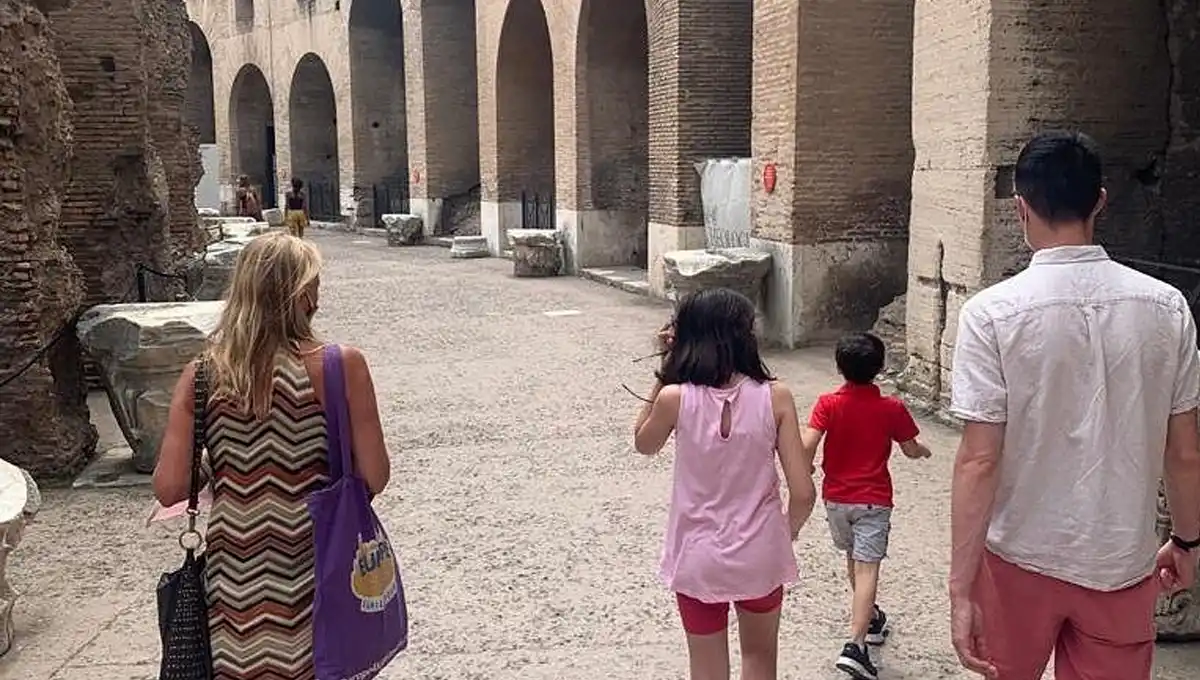
Rome Walking Tour: See History, Food and Hidden Streets Like a Local
How many hours are you willing to spend in Rome looking at the back of someone else's head? Every monument in this city draws crowds but between the monuments, Rome hides its best hours in streets most visitors never find.
A Rome walking tour changes that equation entirely. Walking with an expert reveals how republics, empires, popes, and everyday Romans shaped the streets beneath your feet context no audio guide or map app delivers.
Whether you want Roman history, authentic food, or neighbourhood character, Viator's Rome walking tour collection covers every interest and every budget across the city's most rewarding districts.
Quick Overview
|
What |
A Rome walking tour covers history, food, and neighbourhood character on foot, with a local guide, in 2–3.5 hours |
|
Why |
Rome's best experiences happen between the monuments streets, markets, and trattorias a self-guided visitor walks past without noticing |
|
Key takeaway |
Choose your tour type by interest first history, food, or neighbourhood then match it to the district that fits your day |
Why a Rome Walking Tour Is the Smartest Way to Spend Any Day in the City
Most Rome walking tours last around three hours and cover a small group of fewer than ten people, enough time to understand a neighbourhood deeply without the fatigue of a full-day coach tour. The walking format is what makes Rome specifically work so well on foot.
You can walk fifteen minutes in Rome and the atmosphere completely changes from tourist-packed piazzas to tiny local trattorias filled with Roman families who have been eating at the same table for decades. A bus or hop-on-hop-off tour misses every transition between those worlds. A walking tour lives in them.
The data reinforces the instinct. Travellers consistently report seeing significantly more on guided walking tours than visiting independently guides pointing out unexpected details and lesser-known gems that no signage or map replicates.
For American visitors specifically, the value compounds: a local guide navigates the unwritten rules of Roman street life, market etiquette, and church entry requirements that no itinerary blog covers, saving the kind of small social missteps that quietly drain energy from a travel day.
Rome Walking Tour Types Which One Matches Your Day
Whether you want a budget-friendly introduction or an in-depth private experience, the right rome city tour depends on your interests, group size, and how much context you want from a guide.
|
Tour Type |
Duration |
Best For |
Key Neighbourhoods |
Price Range |
|
History of Rome walking tour |
2.5–3 hrs |
First-timers, history enthusiasts |
Ancient Rome, Capitoline Hill, Roman Forum |
€30–€80 per person |
|
Best food tours in Rome |
3–3.5 hrs |
Food lovers, cultural immersion |
Trastevere, Testaccio, Jewish Ghetto |
€65–€120 per person |
|
Free tip-based walking tour |
2 hrs |
Budget travellers, orientation day |
Historic centre, Spanish Steps, Trevi Fountain |
Free + tip |
|
Private neighbourhood walk |
2–4 hrs |
Families, returning visitors, deep-divers |
Any district fully customisable |
€150–€350 per group |
A small group walking tour of fewer than ten people costs around €100 per person but allows genuine interaction with the guide, who can adapt the tour to the ages and interests of the group.
For families travelling together, a private tour often costs less per head than individual small-group bookings worth calculating before defaulting to the cheapest-looking option.
Viator lists all four tour types with verified traveller reviews and English-speaking guides, making it straightforward to compare options without trawling multiple booking platforms.
Best Food Tours in Rome What the Best Ones Actually Deliver
A good food tour in Rome does three things no amount of pre-trip research replicates: it teaches you how to read a menu, shows you which neighbourhoods have the best eating, and introduces you to the vendors and trattorias that no travel blog consistently updates. Here's what the best food walking tours in Rome deliver, stop by stop.
1. The orientation is usually a market
Testaccio market and Campo de' Fiori are the two most common starting points for Rome food tours both give an immediate read on seasonal produce, local pricing, and the gap between tourist stalls and genuine Roman shopping. The guide's commentary here sets the culinary context for every tasting that follows.
2. The supply and pizza al taglio stop
Roman supplì fried risotto balls filled with mozzarella and ragù and pizza al taglio sold by weight are the two street foods that separate Roman eating from every other Italian city. Guides share each vendor's story and culinary tradition alongside tasting the food lands differently when you know who made it and why.
3. The sit-down cured meat and cheese stop
The best food tours in Rome take you into hidden trattorias and speciality eateries; only locals know the kind of place with no sign outside and a handwritten menu that changes daily. This is where a guide earns every euro of their fee; the discovery is genuinely impossible to replicate independently.
4. The gelato is closer
Authentic gelato sits flat in the display case and uses seasonal ingredients. A guide who can tell the difference between artisan and tourist-trap gelato in thirty seconds teaches you something you'll use for the rest of the trip.
5. The neighbourhood walk between stops
Every reputable food tour covers at least two distinct Roman districts Trastevere and Testaccio being the most common pairing. The walk between food stops is where the history of Rome tour element quietly arrives: churches, fountains, piazzas, and street art contextualised without the formality of a monument tour.
Rome Walking Tour for History The Routes That Make 2,000 Years Feel Immediate
History is everywhere in Rome but without a guide, it becomes background noise. These four walking routes turn the city's timeline into a coherent story.
- Ancient Rome: Covers the full arc of Roman imperial power, gladiatorial spectacle, political geography, and the hill where emperors lived in a single three-hour narrative that no museum exhibit condenses as effectively.
- The Vatican and Borgo district walking tour: Threads St Peter's Square, Castel Sant'Angelo, and the medieval streets of Borgo a history of Rome tour through this district covers not just the Vatican's art collection but the political history of the papacy and its relationship with the Roman street, which is the context most solo visitors completely miss.
- Jewish Ghetto and Campo de' Fiori: Spans over 2,000 years of continuous Roman habitation from the ancient republic through the medieval papacy to the 20th century in a single neighbourhood walk that covers more history per square metre than anywhere else in the city.
- Crypts, catacombs, and early Christian Rome: Takes you underground entirely. A 3.5-hour tour through Rome's crypts and catacombs visits the eerie Capuchin Crypt where the bones of over 4,000 monks rest, and explores the Basilica San Martino ai Monti the Rome that exists beneath the postcard version, and one of the most distinctive walking experiences in Europe.
Conclusion
A Rome walking tour is not an add-on, it's the most efficient way to understand a city that rewards those who know what they're looking at.
Start with a history of Rome tour to build your foundation on day one. Add a food tour through Trastevere or Testaccio on day two to understand the city through its cooking.
Return to a neighbourhood walk on day three and notice how differently Rome reads when you already know its layers.
Every tour type covered in this blog is bookable on Viator with English-speaking local guides and free cancellation on most listings. Pick the Rome walking tour that matches your first full day and let the city unfold from there