How Personalised T Shirt Printing Is Evolving With Technology
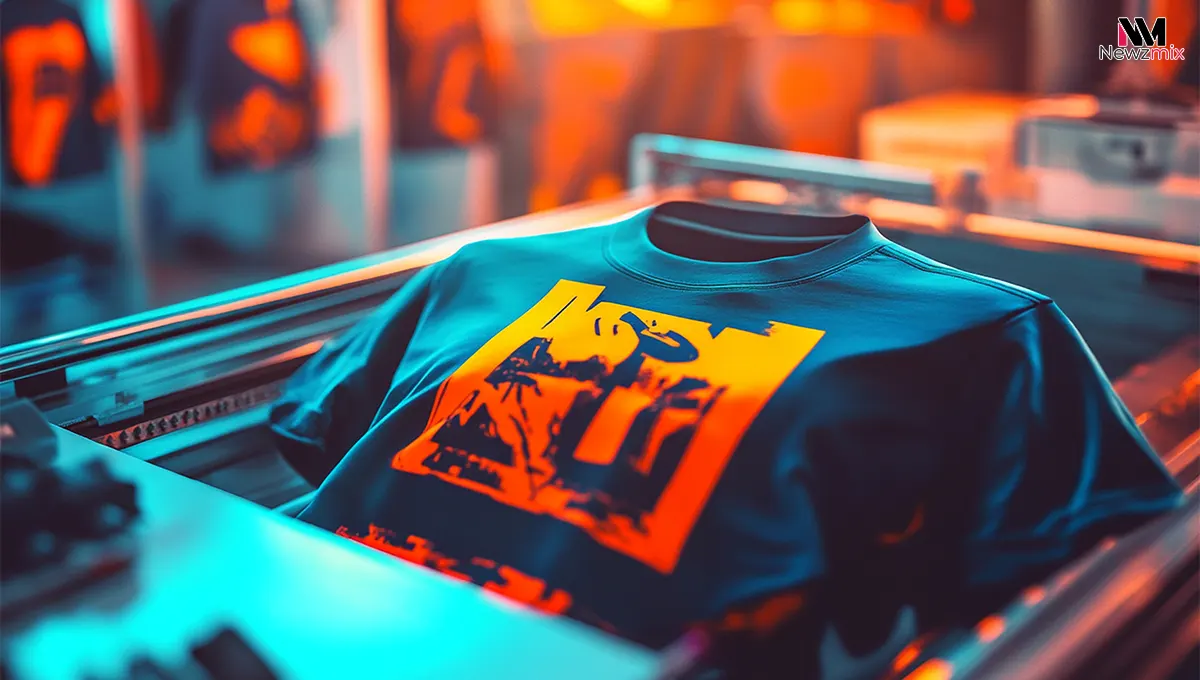
Personalisation is no longer a cool option; it’s the new normal. Fashion brands, creators and small sellers are turning to personalised t shirt printing because consumers want clothes that express identity, not just logos. Tech platforms like Kittl have made it easier to design fast, edit on the fly and build products that actually feel original. Even better, creators can now create prototypes and launch products with minimal risk and almost no physical stock.
But here’s the real thing, tech isn’t just enhancing printing; it’s completely reshaping how creators build micro fashion brands. Let’s explore how the world of custom clothing is being re-engineered with automation, AI-driven design tools and futuristic print methods.
How Design and Print T Shirts Software Is Changing Production
Traditional apparel manufacturing involved bulk printing, slow revisions and uncertainty over demand. Now, software tools that help you design and print t shirts have become more automated, visual and creator-friendly.
With the help of digital mockups, preview generators and tech platforms like Kittl, designs don’t stay stuck in someone's imagination. Creators can test, deploy and tweak instantly. This also means fewer wasted materials, fewer unhappy customers and more confidence in experimentation.
The result? Designers can innovate weekly instead of seasonally. And the winners are always the brands with faster tech and smarter workflows.
3D Printed T Shirts and Wearable Experiments
It sounds futuristic, but 3d printed t shirts are already in the prototype phase. Instead of printing ink onto fabric, tech labs are building structures, textures and interactive layers directly on wearable items.
This trend isn’t mainstream yet, but it will disrupt fast fashion by offering customizable fit, durability and adaptive properties. The future garment won’t just look cool, it may track motion, regulate temperature, or even communicate.
Mini Printing Machines for Faster Creation
A few years ago, creating custom apparel required space, machines and money. Now mini printing machines make it possible to produce small batches from a bedroom studio.
Creators using Kittl often experiment with samples, tweak graphics and print instantly without bulk orders. The barrier to entry has dropped dramatically, turning hobbyists into entrepreneurs faster than ever.
3D Fabric Printing and New Textures
It may seem like something from the future, but 3D printed t-shirts are already undergoing prototyping. The idea of printing ink onto fabric is being replaced by tech labs that create structures, textures and interactive layers right on the wearable pieces.
The trend is not widely known or used yet, but it is going to revolutionize the concept of fast fashion by providing features such as personalized fit, longevity and the material being able to adjust itself. The future garment won’t just look cool, it may track motion, regulate temperature, or even communicate.
Tech, Fashion and Personalisation Collide
Let’s zoom out. If tech platforms like Kittl are empowering creators to test, iterate and launch rapidly, emerging hardware is doing something even bigger, eliminating the middle steps. Future personalised t shirt printing won’t just mean printing names or slogans. It will involve:
- Smart materials
- Interactive surfaces
- Thermal-sensitive inks
- On-demand fabrication
- Wearable technology
And as automation evolves, brands will no longer be defined by large factories. They’ll be defined by creativity, speed and software superiority.
Why 3D Printed Clothes Matter
Beyond t-shirts, the movement toward 3d printed clothes shows how tech is ready to disrupt an entire supply chain. No more stockpiling fabric or predicting what will sell six months from now.
Instead, fashion could become like digital products: Created, ordered, downloaded, printed, worn. The magic is not just innovation. It's sustainability… finally becoming scalable.
The Role of Tech Platforms in This Shift
The fashion-tech boom can’t be discussed without mentioning platforms like Kittl. With visual interfaces and automated design tools, they’re transforming creators into micro-manufacturers.
In the next five years, tech-powered customisation will push the industry from mass production to mass personalisation and the brands that adapt early will own the future.
Conclusion
Personalised t-shirt printing is moving to a realm where it is not just a decoration; rather, it is product innovation powered by technology. Creativeness is being fastened by digital tools, production is being enabled by small-scale machines and 3D technologies are redefining the meaning of "wearable".
If makers are continually experimenting with platforms like Kittl, challenging limits and converting personal expression into data-driven design, then the sector will not merely change, it will become a completely new one.
Technology in fashion is not anymore the one that is behind the scenes. It’s steering the whole show.
FAQs
- Is personalised t shirt printing expensive with new tech?
Not necessarily. New tools reduce setup costs and allow small-batch printing.
- Can I start a business with mini printing machines?
Yes, they make small-scale production affordable for beginners.
- Are 3d printed clothes wearable every day?
Some early designs are experimental, but everyday use is becoming more feasible.
- How fast can I design and print t shirts with modern tools?
With platforms like Kittl, you can design, preview and print in minutes.